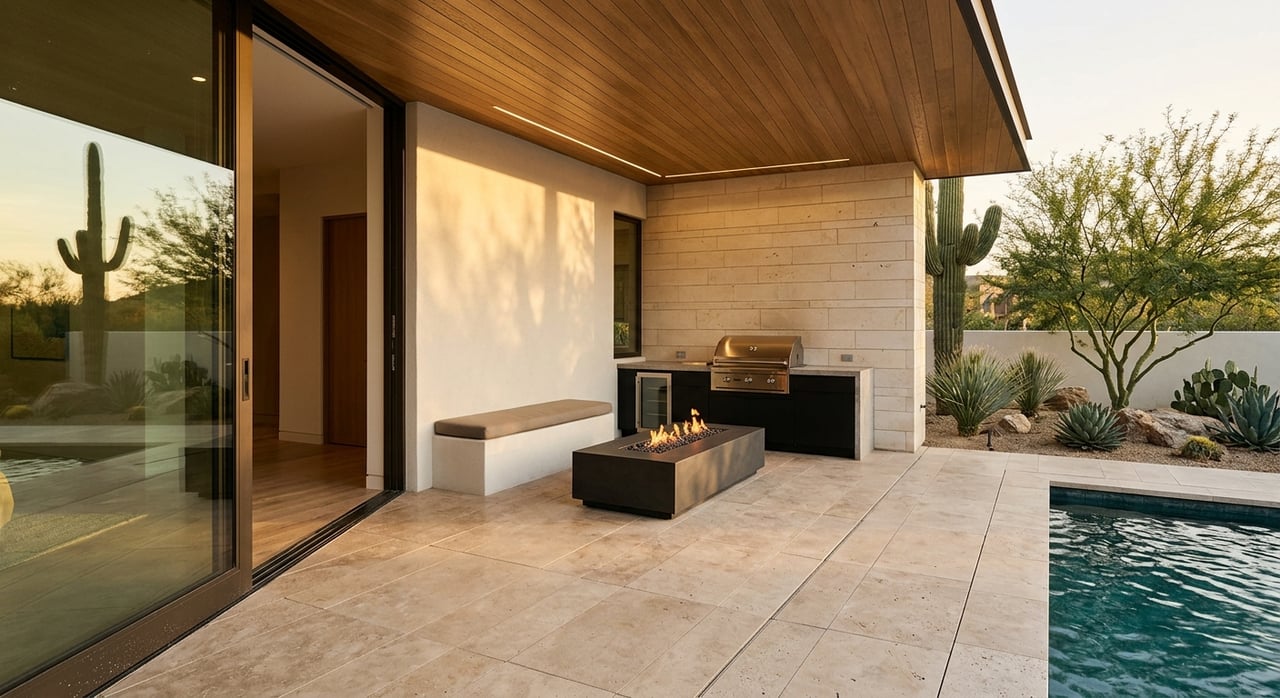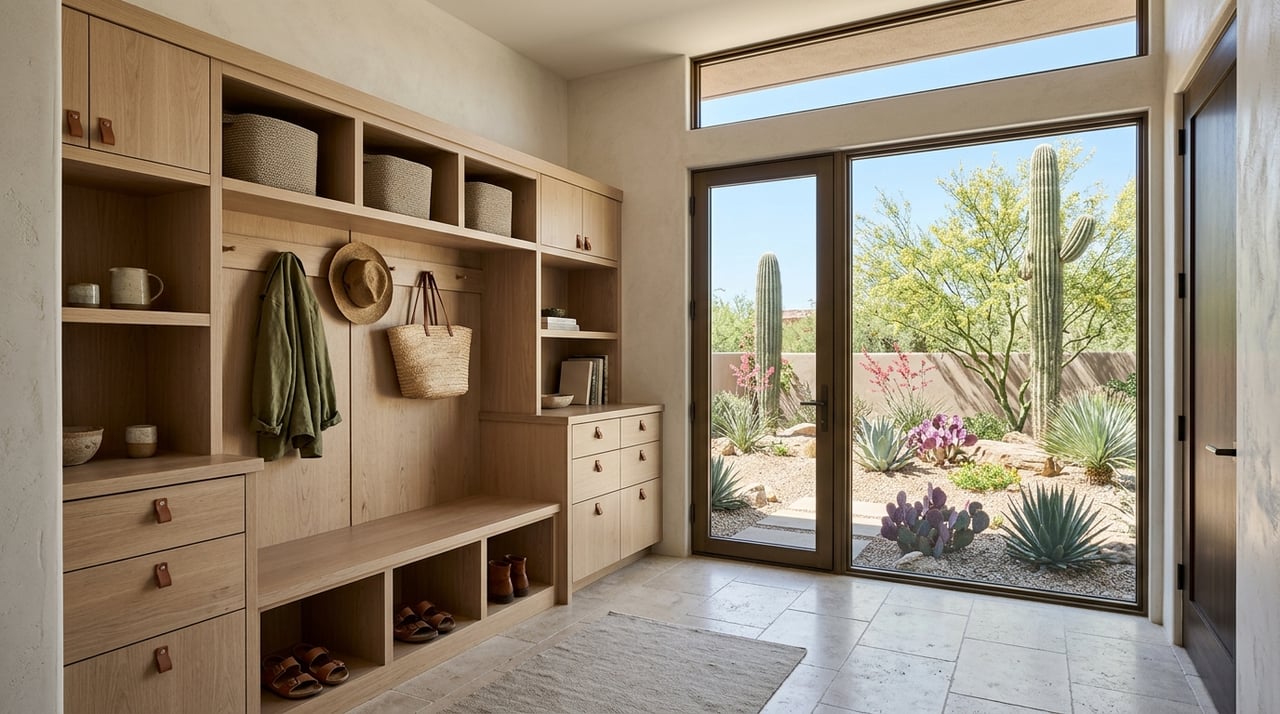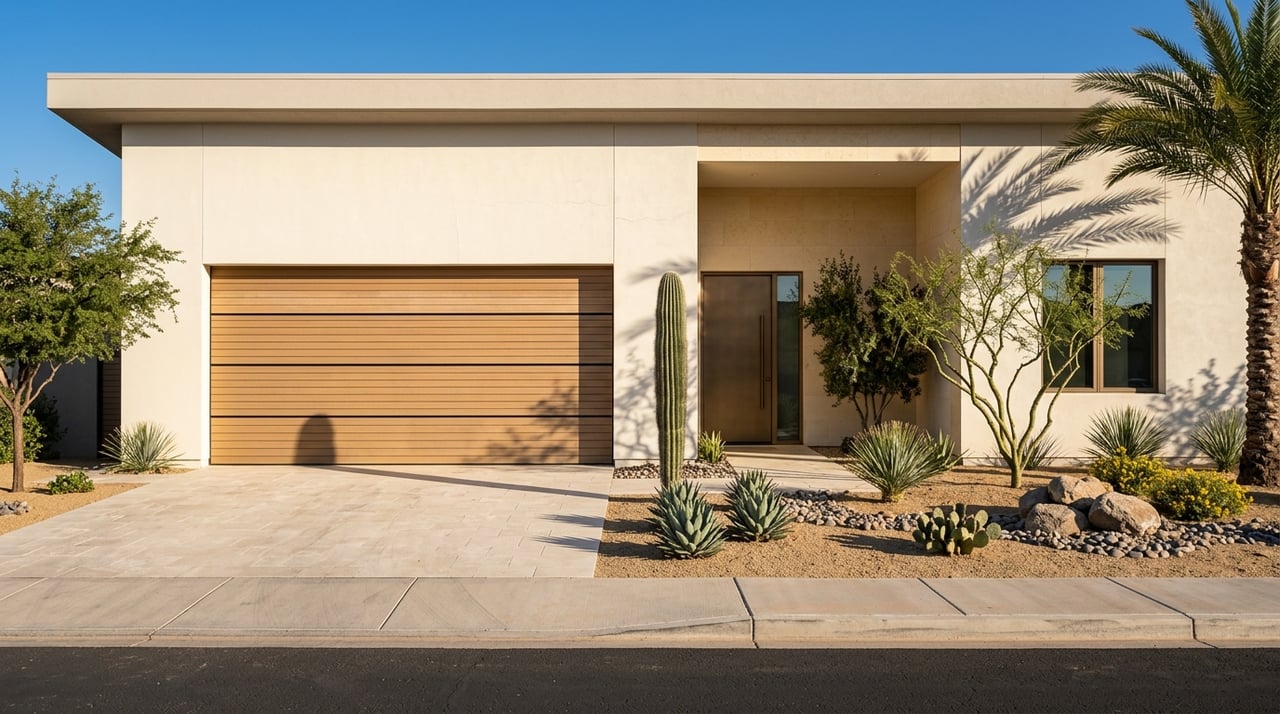
If you have been thinking about a second home in the desert, Greater Phoenix and Scottsdale offer more range than many buyers expect. You can choose a walkable urban base, a resort-style lock-and-leave property, or a larger retreat with more privacy and open space, all within one metro area. The key is matching the home to how you will actually use it, while planning for financing, maintenance, and any future rental goals. Let’s dive in.
Why Greater Phoenix Appeals
Greater Phoenix gives you both city access and outdoor lifestyle in one market. According to the City of Phoenix, Phoenix is the fifth largest U.S. city, with more than 1.6 million residents, 41,000 acres of desert parks and mountain preserves, and more than 200 miles of trails.
Scottsdale adds a distinct Sonoran Desert setting and a strong lifestyle draw. The city notes that it has 314 sunny days and 7.66 inches of average rainfall, along with the McDowell Sonoran Preserve and more than 60 miles of trails. For many second-home buyers, that mix creates options for everything from quick weekend visits to longer seasonal stays.
Start With How You’ll Use It
Before you focus on finishes or views, think about your real routine. Will you use the home for occasional long weekends, winter months, family gatherings, remote work, or a mix of all four?
That answer shapes almost every smart buying decision. A condo or townhome may suit you if you want lower maintenance and easier lock-and-leave living, while a larger home on more land may fit better if privacy, outdoor space, or entertaining matter more.
It also helps to think through a few practical questions early:
- Will the home be for personal use only, or do you want rental flexibility later?
- Do you want a low-maintenance property or a larger-lot retreat?
- Do you care more about walkability and dining, or privacy and views?
- Will the home sit vacant for long stretches, and who will check on it?
Know Second-Home Financing Basics
If you plan to finance the purchase, occupancy rules matter. Under Fannie Mae’s second-home guidelines, a second home must generally be occupied by the borrower for some part of the year, be a one-unit dwelling, remain suitable for year-round use, and stay under the borrower’s exclusive control.
The property also cannot be treated as a timeshare, and it cannot function primarily as a rental property. Fannie Mae notes that if rental income exists, the loan may still qualify as a second home only if that income is not used to qualify and the other second-home rules are met.
Reserve requirements are another reason to speak with a lender early. For many conforming second-home transactions, Fannie Mae requires two months of reserves, and buyers with multiple financed properties may need additional reserves.
In plain terms, your financing strategy should be part of your home search from day one. That is especially true if you already own a primary residence and are adding another property to the mix.
Plan for Desert Ownership
A second home in Greater Phoenix can feel effortless when it is well set up, but desert ownership does require planning. Heat, monsoon storms, irrigation, and pool care all deserve attention, especially if the property may sit empty for weeks at a time.
Prepare for Monsoon Season
Phoenix says monsoon season runs from June 15 through September 30, with storms typically peaking from mid-July to mid-August. The city advises owners to clean roof drains or scuppers, trim vegetation, clean drywells, repair grading so water drains away from the home, and consider generators or backup batteries.
For second-home owners, storm prep is not just a checklist item. It is part of protecting a property when you are not there in person to spot roof drainage issues, standing water, or storm-related power problems.
Watch Water Use Outdoors
Outdoor systems matter more than many buyers first assume. The Arizona Department of Water Resources says up to 70% of residential water use is outdoors, and its landscape guidance notes that seasonal irrigation adjustments can reduce watering by 30% to 50%.
If you are considering a home with a pool, larger yard, or extensive landscaping, ask good questions about irrigation timers, leak detection, planting choices, and service schedules. In this market, those systems can affect both convenience and ongoing operating costs.
Build a Reliable Vendor Plan
Summer heat can turn a small issue into a fast-moving one. The National Weather Service office serving Phoenix notes that heat-related illness can happen even on lower-risk days, which is a useful reminder that vacant homes need regular oversight during hot months.
A strong second-home plan often includes:
- HVAC service
- Pool care
- Landscape and irrigation checks
- Pest control
- A trusted person or vendor who can inspect the property after storms or outages
If you want a more hands-off ownership experience, this is where property type and location can make a big difference.
Understand Rental Rules Early
Many buyers want a second home first and possible rental flexibility later. That can work, but only if you verify the rules before you buy rather than after closing.
At the state level, the Arizona Department of Revenue says that beginning January 1, 2025, owners of residential rentals of 30 days or more should no longer collect and remit city TPT on that long-term rental income. For stays of fewer than 30 days, transient lodging or hotel taxation still applies, and individual owners of taxable rental properties are required to obtain a TPT license.
Scottsdale and Phoenix each add local requirements for short-term rentals. In Scottsdale, stays of less than 30 days require a city short-term or vacation rental license, which carries an annual fee of $250 per property. The city also requires a valid ADOR TPT license, Maricopa County registration before occupancy, neighbor notification, and liability insurance coverage of at least $500,000.
In Phoenix, the city moved to a short-term rental permit process in November 2023. The permit has a $250 initial and renewal fee, and the city requires notice to adjacent properties and to registered HOAs or neighborhood associations within 600 feet.
This is where buyers need to pause and connect the dots. City rules, county requirements, HOA policies, insurance standards, and lender occupancy rules may not all align, so if you may rent the home even occasionally, confirm each layer before you commit.
Match the Area to Your Lifestyle
The best second home is usually the one that supports the way you want to live when you arrive. In Greater Phoenix and Scottsdale, that often comes down to convenience, privacy, maintenance level, and how connected you want to feel to restaurants, trails, golf, and day-to-day services.
Old Town Scottsdale
If you want a walkable second-home base, Old Town Scottsdale deserves a close look. The city says the Old Town Character Area includes more than 90 restaurants, 320 retail shops, and more than 80 art galleries.
That makes it a strong fit if you want to lock up the car, step out to dining and galleries, and enjoy a more urban Scottsdale experience. For buyers who plan shorter stays, this kind of central location can also simplify everyday living.
Greater Airpark
The Greater Airpark area is often a practical choice for buyers who value access and efficiency. Scottsdale says the Greater Airpark Character Area generally extends around Scottsdale Airport and out toward Grayhawk, WestWorld, Loop 101, Thunderbird Road, and Scottsdale Road.
For part-time residents, that layout can mean easier arrivals, freeway convenience, and a more mixed-use setting. If your second home will support business travel, seasonal stays, or quick in-and-out visits, this area may line up well with that routine.
Cactus Corridor
If you are drawn to larger lots and a more residential feel, Cactus Corridor offers a different pace. The city describes the Cactus Corridor Area Plan as having a suburban character, an equestrian lifestyle component, and in some areas a rural, low-density theme with larger lots.
This setting often appeals to buyers who want more separation and more space around them. It can be a good fit if your vision of a second home includes outdoor living, quiet surroundings, and a property that feels more tucked away.
Desert Foothills
Desert Foothills is one of Scottsdale’s clearest choices for privacy and open-desert character. Scottsdale says the Desert Foothills Character Area is intended to balance rural lifestyle with the upper Sonoran Desert, promote open-space and trail connections, and preserve natural qualities.
The area includes a mix of custom and semi-custom homes, with lifestyles that range from equestrian living to desert-retreat style ownership. If views, privacy, and a more remote feeling are high on your list, this is often where that conversation starts.
Biltmore in Phoenix
If you prefer central Phoenix over Scottsdale, Biltmore offers a polished, resort-oriented option. Phoenix places the area within District 6, and the city highlights the Arizona Biltmore Resort and Spa and Wrigley Mansion as notable landmarks.
For many buyers, Biltmore blends urban convenience with a refined, hotel-adjacent atmosphere. It is worth considering if you want a second home with central access and a more established resort-lifestyle feel.
Don’t Overlook Pool Safety
Pools are a major lifestyle feature in this market, but they also come with maintenance and safety responsibilities. Scottsdale’s pool barrier requirements for short-term rentals require a 60-inch perimeter fence and a secondary barrier or alarm system when a pool, hot tub, or spa is present, with lockable covers required in some cases.
Even if you are not buying a rental property, this is a useful reminder to look closely at pool systems, barriers, service needs, and overall safety planning. For a second home that may be vacant part of the year, disciplined upkeep matters.
A Smart Buying Approach
When you buy a second home in Greater Phoenix or Scottsdale, the goal is not just finding a beautiful property. It is finding a home that fits your actual pattern of use, your comfort level with maintenance, and your long-term plans.
A walkable condo in Old Town, a convenient lock-and-leave home near the Airpark, a larger-lot property in Cactus Corridor, a private retreat in Desert Foothills, or a resort-style home in Biltmore can all be the right choice for different buyers. The best decision usually comes from balancing lifestyle, financing, and ownership logistics before emotion takes over.
If you are weighing Scottsdale or Phoenix for a second home, working with a local advisor who understands lifestyle fit, financing questions, and cross-market moves can make the process far more focused. To start a personalized conversation, connect with Karen Stroble.
FAQs
What qualifies as a second home in Scottsdale or Phoenix?
- Under Fannie Mae occupancy guidelines, a second home generally must be a one-unit property that you occupy for part of the year, that is suitable for year-round use, and that remains under your exclusive control rather than operating primarily as a rental.
What financing reserves are common for a second home purchase?
- For many conforming second-home purchases, Fannie Mae requires two months of reserves, though buyers with multiple financed properties may need more.
What should second-home buyers know about Phoenix monsoon season?
- The City of Phoenix monsoon guidance says the season runs from June 15 to September 30, and owners should plan for drainage, vegetation trimming, grading, and backup power considerations.
What should second-home buyers know about Scottsdale short-term rental rules?
- For stays of less than 30 days, Scottsdale requires a city short-term or vacation rental license, along with a valid ADOR TPT license, Maricopa County registration before occupancy, neighbor notification, and required liability insurance.
Which Greater Phoenix area fits a walkable second-home lifestyle?
- Based on Scottsdale’s official character area plan, Old Town Scottsdale is the clearest fit for buyers who want walkability, dining, retail, and arts access in a central setting.