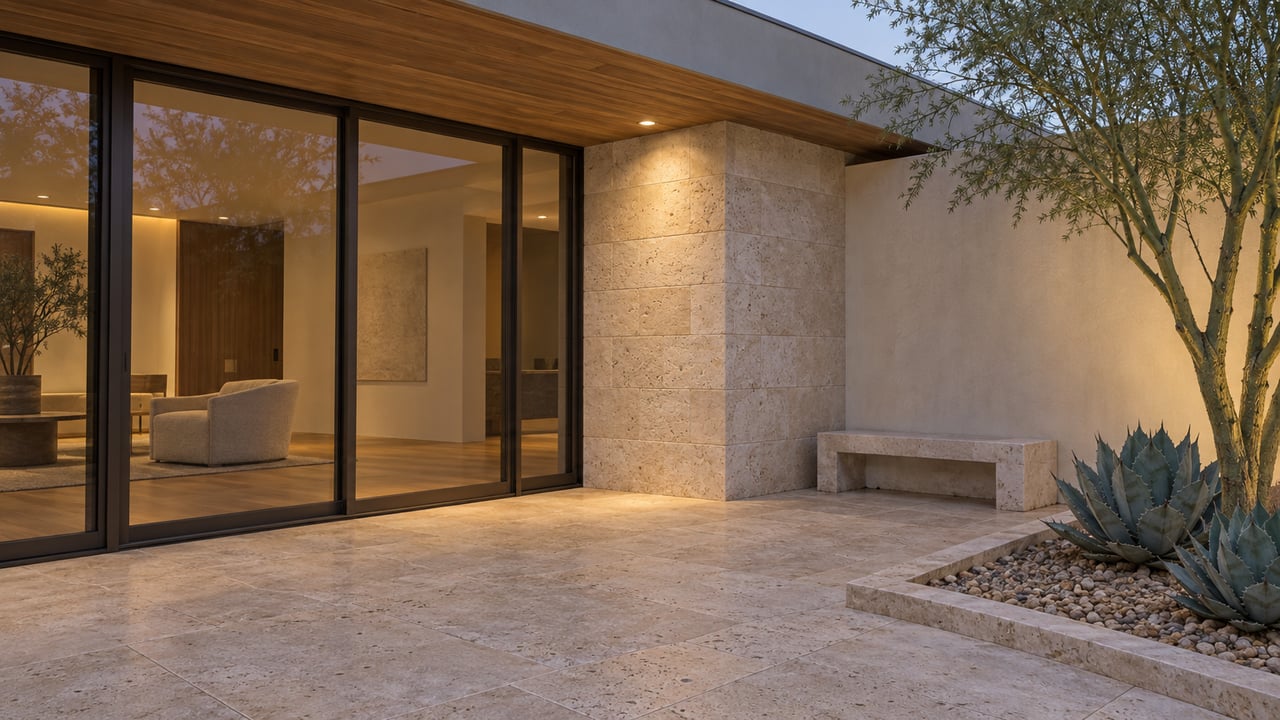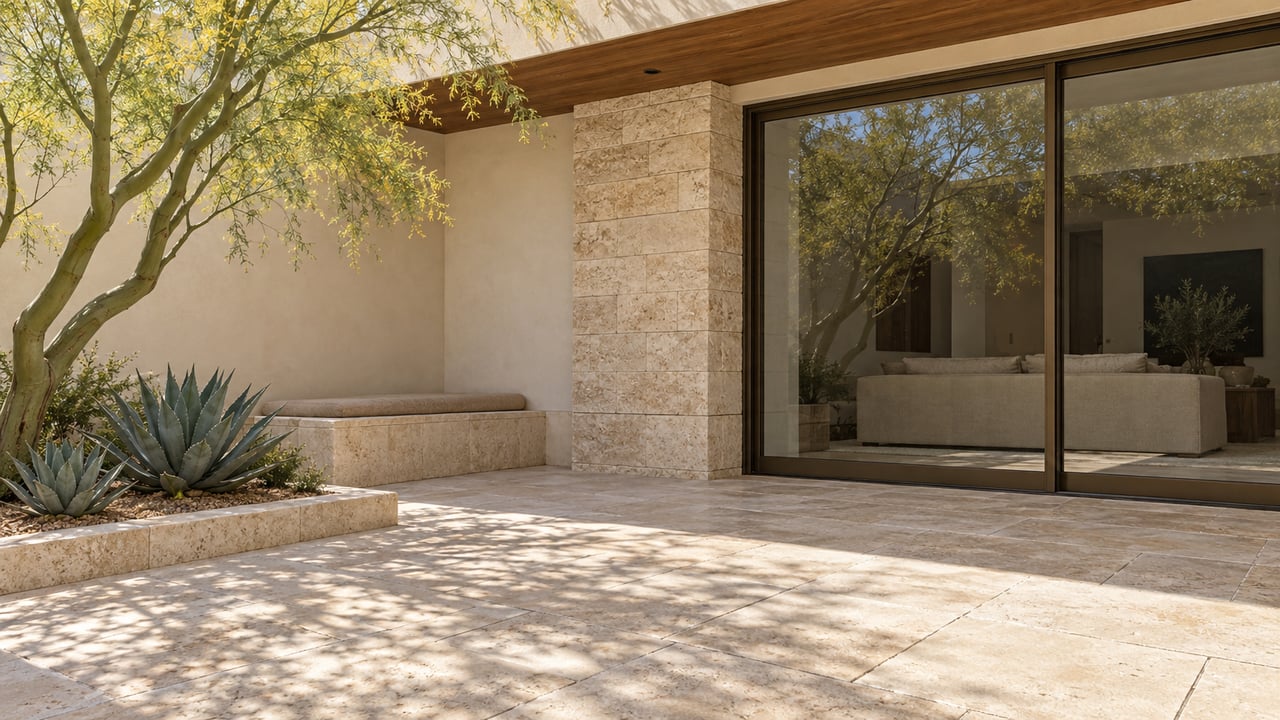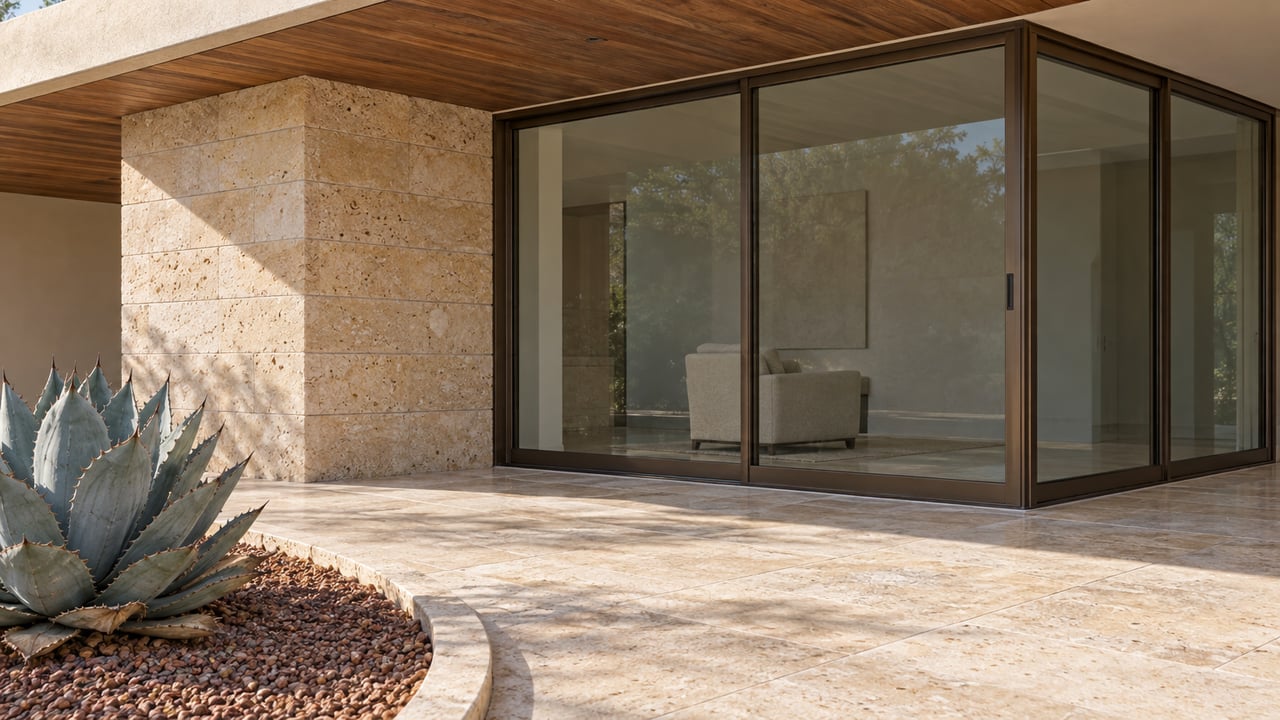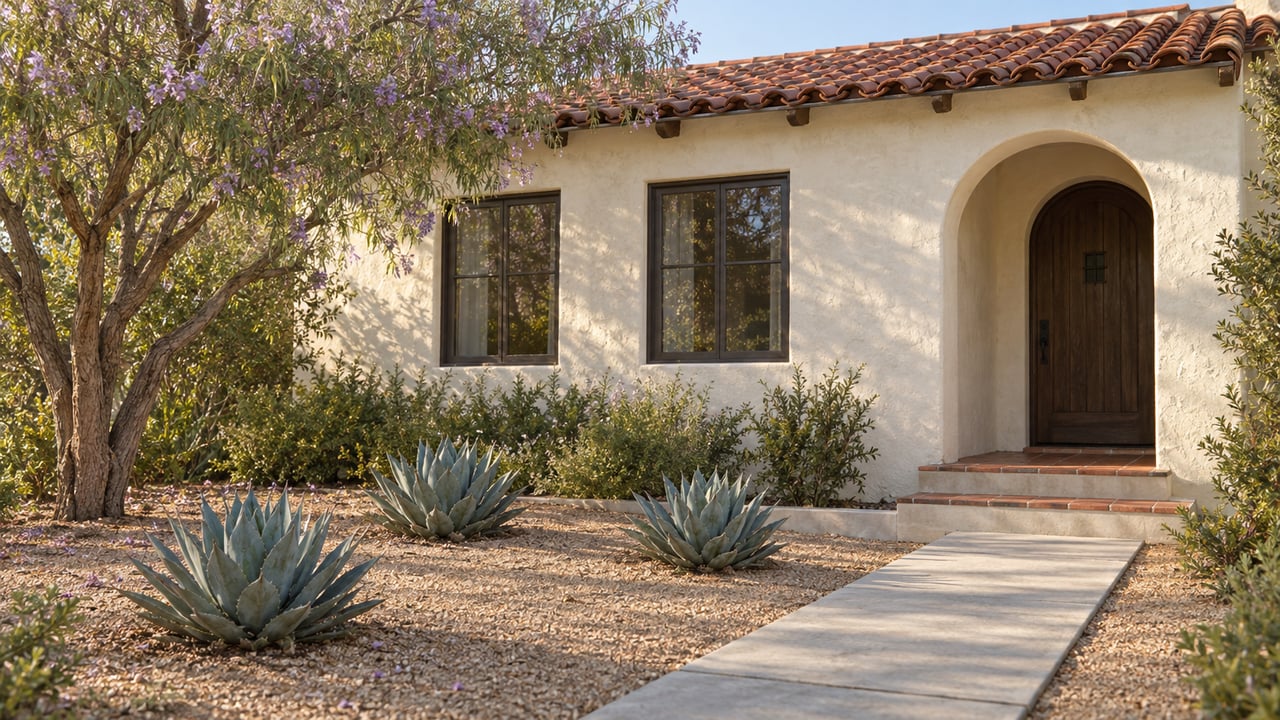
Buyers touring a 1928 Tudor in Willo or a Spanish Colonial in Encanto-Palmcroft almost always ask about the same thing first: the Historic Preservation Overlay. Can they change the windows. Will the carport survive a remodel. What happens to their tax status. These are fair questions, and they have clear answers. What most buyers don't ask about, because they don't know to, is what's running under the floor and out to the street. In these districts, that's the question that actually determines whether the sale closes on schedule or turns into a late, cash-strapped negotiation in the final days of the inspection period.
Willo, Encanto-Palmcroft, and F.Q. Story are Phoenix's best-known historic pockets, and all three share a structural fact that has nothing to do with architecture. Most of their housing stock predates the plumbing materials that hold up. That combination, old pipe and a compressed Arizona inspection clock, is the real friction point in these sales, and it rarely gets the attention the overlay review gets.
The Districts, and What "Historic" Means Underground
Willo sits roughly between Thomas and McDowell Roads, Central and 7th Avenues, and has been on the National Register of Historic Places since 1991. It holds more than 900 homes across 22 individual subdivisions, with the first 41 built in the 1920s. Entry-level fixers still trade in the low hundreds of thousands, restored Tudors and bungalows push past $800,000, and fully modernized properties clear $2 million.
Encanto-Palmcroft, bounded roughly by Encanto Boulevard to McDowell Road and 7th to 15th Avenues, sits next to the 222-acre Encanto Park and is often described as Phoenix's wealthiest historic neighborhood, with around 330 homes on winding, non-grid streets. F.Q. Story, a roughly 600-home district south of McDowell between 7th and 15th Avenues, mixes Craftsman bungalows, Spanish Colonials, and early Ranch homes, with entry pricing generally friendlier than its northern neighbors.
What connects them is construction era. These are 1920s through 1940s neighborhoods, which puts their original plumbing in an earlier era than much of Phoenix's midcentury housing stock, the 1940s-through-1960s homes that already give local plumbers plenty of work.
What the Overlay Actually Controls
A Historic Preservation Overlay designation is worth understanding in these districts. The overlay governs exterior changes. You generally can't tear down a carport or swap out original windows without approval from the Historic Preservation Office, and that affects both renovation plans and, in some cases, tax status. It's a known process with known rules, and once a buyer understands it, it stops being scary.
The overlay says nothing about what's buried in the yard or running through the walls. That's a separate conversation, and it's the one that tends to arrive late.
What's Actually Running Under the Floor
Homes built in this era were rarely plumbed with anything that holds up eighty to a hundred years. Original supply lines are commonly galvanized steel, which corrodes from the inside as its zinc coating wears away, leaving buyers with low water pressure, discolored water, or a slow string of leaks in different spots around the house. Original drain lines are often cast iron, and systems of that age are now well past their expected service life, with failures typically showing up at joints, at trap arms, and at the base of toilets. Sewer laterals in homes from this period sometimes used Orangeburg pipe, a tar-paper composite material, or clay pipe, both known for collapsing or inviting root intrusion from the mature trees that give these streets their character in the first place.
None of this is cosmetic. A sewer scope on one of these properties commonly turns up:
- Cracked or offset joints in cast iron drain lines
- Root intrusion at clay or Orangeburg sewer laterals
- Corrosion narrowing the interior of galvanized supply pipe
- Cloth wiring or ungrounded outlets that complicate insurance, found in the same walls
Pipe material matters more here than it does in a newer subdivision, because the gap between "copper" and "galvanized," or between "PVC" and "Orangeburg," is the gap between a routine inspection and a five-figure conversation.
Why the Ten-Day Clock Makes This Worse
Arizona's standard purchase contract, as Ratifyly explains, gives buyers a 10-day inspection period from contract acceptance to complete every inspection they want, including a general home inspection, roof, HVAC, pool, termite, and a review of the seller's property disclosure. A sewer camera scope is a specialist inspection that has to be scheduled separately, and in a historic district where root intrusion and joint failure are common rather than exceptional, it's one of the inspections most likely to matter.
The problem is timing. Buyers who don't book the sewer scope in the first few days of that ten-day window often don't get results until day eight or nine, right as the single Buyer's Inspection Notice and Seller's Response has to go out. There's no do-over on the BINSR. Once it's submitted, the seller has five days to respond. A buyer who discovers a collapsing sewer lateral on day nine has no time left to get competing repair bids, so what should be a repair-scope conversation collapses into a rushed price-reduction ask instead, with much less information behind it than either side would like.
The overlay conversation, by contrast, usually surfaces early. It's disclosed in the listing, it has a known city process, and it doesn't compete for time inside the inspection window the way a sewer scope does. That's part of why it gets more attention than it deserves relative to what's underground.
What a Credit Actually Costs, and Who Writes the Check
When galvanized pipe or a failing sewer lateral does surface, it becomes part of the repair conversation.
Whole-house repiping in the Phoenix area, addressing galvanized or aging supply lines, typically runs in the thousands of dollars depending on scope, and a sewer scope is generally considered essential on any home over thirty years old, which describes every property in these three districts by a wide margin. When that number shows up on day nine of a ten-day window, the buyer and seller are negotiating it under real time pressure, which tends to produce a worse outcome for both sides than a negotiation that starts with the number already known.
The Fix Is Before You List, Not After You're Under Contract
The way around this is straightforward for sellers. Ordering a sewer camera scope and a plumbing material assessment before listing turns a day-nine surprise into a day-one known fact. It lets the seller's disclosure state pipe material and sewer condition upfront, which keeps the eventual negotiation focused on price rather than panic, and it removes the risk of a buyer walking in the final days over something that could have been priced into the listing from the start.
For buyers, the fix is just as simple. Book the sewer scope in the first two or three days of the inspection period, not the last two or three. In a district built before mid-century plumbing standards existed, that single scheduling decision does more to protect a purchase than almost anything else in the process.
The Phoenix neighborhood page has more on the city's districts. For a related look at another Phoenix-specific transaction quirk, see our earlier piece on appraisal gaps in Phoenix real estate.
Frequently Asked Questions
What plumbing details matter to buyers in these districts? Pipe material and known plumbing problems are worth looking at alongside any Historic Preservation Overlay information.
Does a Historic Preservation Overlay designation restrict plumbing or sewer repairs? No. The overlay governs exterior and architectural changes, such as windows and street-facing structures. Underground infrastructure work is a separate process and isn't restricted by the district's historic status.
How long do I have to complete inspections under a standard Arizona contract? The standard AAR purchase contract provides a 10-day inspection period from contract acceptance, followed by a single Buyer's Inspection Notice and Seller's Response and a 5-day window for the seller to reply.
Buying or selling in one of Phoenix's historic districts means managing two separate conversations, the architectural one and the one that runs underground, on one shared clock. Karen's Collection can help you get the sewer scope and disclosure paperwork in order before that clock starts. Request a concierge consultation to build your inspection timeline the right way, early.
This article is general information, not legal, tax or financial advice. Consult a qualified professional about your situation.