You feel it the moment you arrive: patterned concrete, deep shade, and a hush that hints at classic resort living. If you are drawn to heritage architecture and an easy, amenity‑rich lifestyle, the Arizona Biltmore Estates area in Phoenix offers both. In this guide, you will learn how the Biltmore’s design shaped the neighborhood, what daily life looks like, where you will eat and shop, and how it compares with nearby Scottsdale. Let’s dive in.
Why the Biltmore feels iconic
A resort with a storied start
The Arizona Biltmore opened on February 23, 1929, and architect Albert Chase McArthur is credited as the architect of record. The hotel’s look is often described as Wrightian in character, and Frank Lloyd Wright did consult briefly, but the extent of his role remains debated by historians. For a concise architectural history, the SAH Archipedia entry on the Arizona Biltmore is a reliable overview.
Soon after opening, the property faced financial headwinds, and William Wrigley Jr. stepped in as owner. Wrigley helped shape the resort’s early decades as a winter destination for social life and events. That social magnetism still defines the neighborhood today.
Design DNA you can spot
The Biltmore’s signature look comes from its sculpted precast concrete, often called Biltmore Blocks. These blocks were cast on site using local sand, with dozens of repeating geometric motifs that give the resort its unified feel. You also see deep roof overhangs, copper accents, and geometric art‑glass, details that align with a Wright‑influenced vocabulary. The Frank Lloyd Wright Foundation’s summary provides helpful context for understanding McArthur’s authorship and Wright’s influence.
This visual language spread beyond the hotel. You will spot Biltmore Block patterns echoed in garden walls and site features around the neighborhood. That material continuity helps the entire area read as a cohesive resort‑garden enclave.
How the resort shapes daily life
Events, dining, and a social hub
The Arizona Biltmore is more than a historic hotel. It is a multi‑building resort that has expanded over time, adding major wings and dedicated event spaces such as the Frank Lloyd Wright Ballroom. Its ongoing presence as an event venue and social anchor is why living nearby feels connected to citywide gatherings and seasonal programming. You can learn more about the resort’s evolution on the Arizona Biltmore history page.
On property, you will find multiple dining concepts, pool scenes, and curated activities. Residents often meet friends at Spire Bar, grab a casual meal at McArthur’s, or attend holiday events and tours hosted by the resort. Even if you do not stay at the hotel, its amenities and energy become part of your lifestyle rhythm.
Golf as a neighborhood amenity
Golf sits at the heart of the Biltmore identity. The Arizona Biltmore Golf Club has long anchored the area with two courses and a social clubhouse scene. Recent reinvestment included a Tom Lehman–designed rework of the historic Adobe layout into the Estates Course, along with a new golf shop, an updated clubhouse, and fresh dining at the Adobe Bar & Grille. The club’s hospitality upgrades, such as the opening of the Adobe Bar & Grille, are documented on the Arizona Biltmore Golf Club site.
For many buyers, proximity to golf and the ability to lock and leave with ease are key reasons to choose a home in the Biltmore Estates area. Gated enclaves and smaller‑lot condos keep maintenance simple while placing you close to the fairways.
Homes and neighborhood character
Architecture and materials
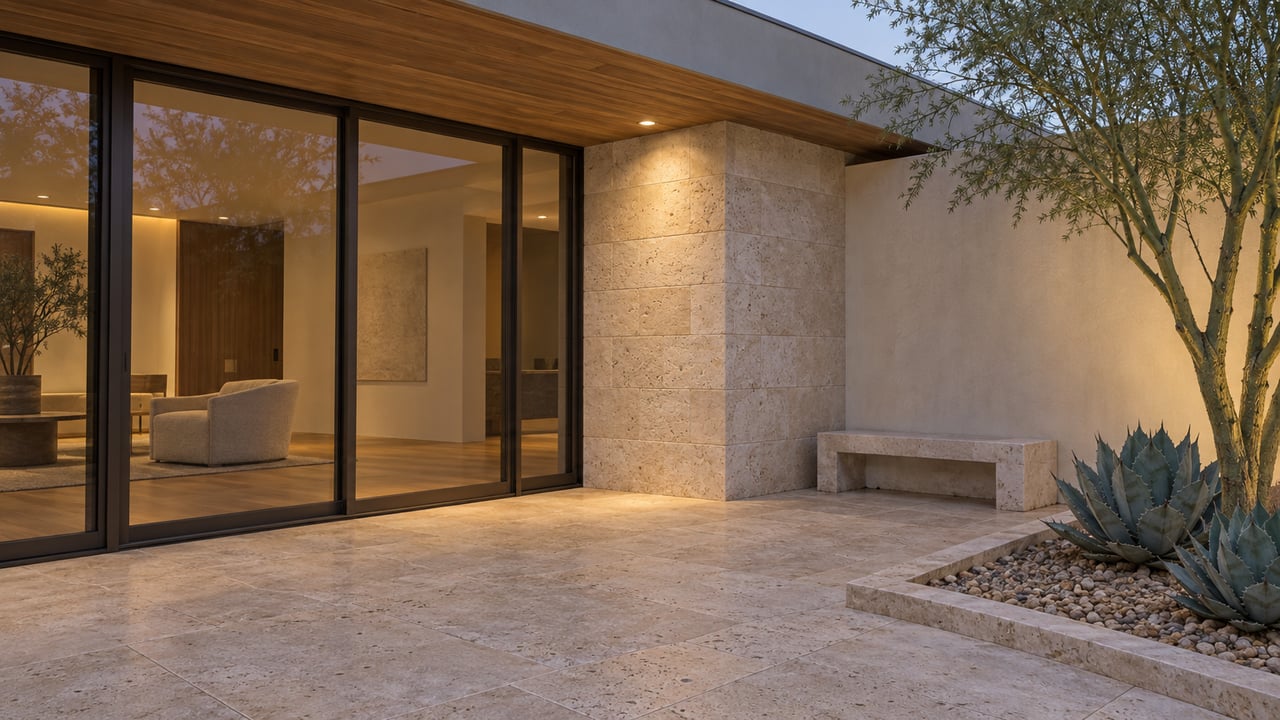
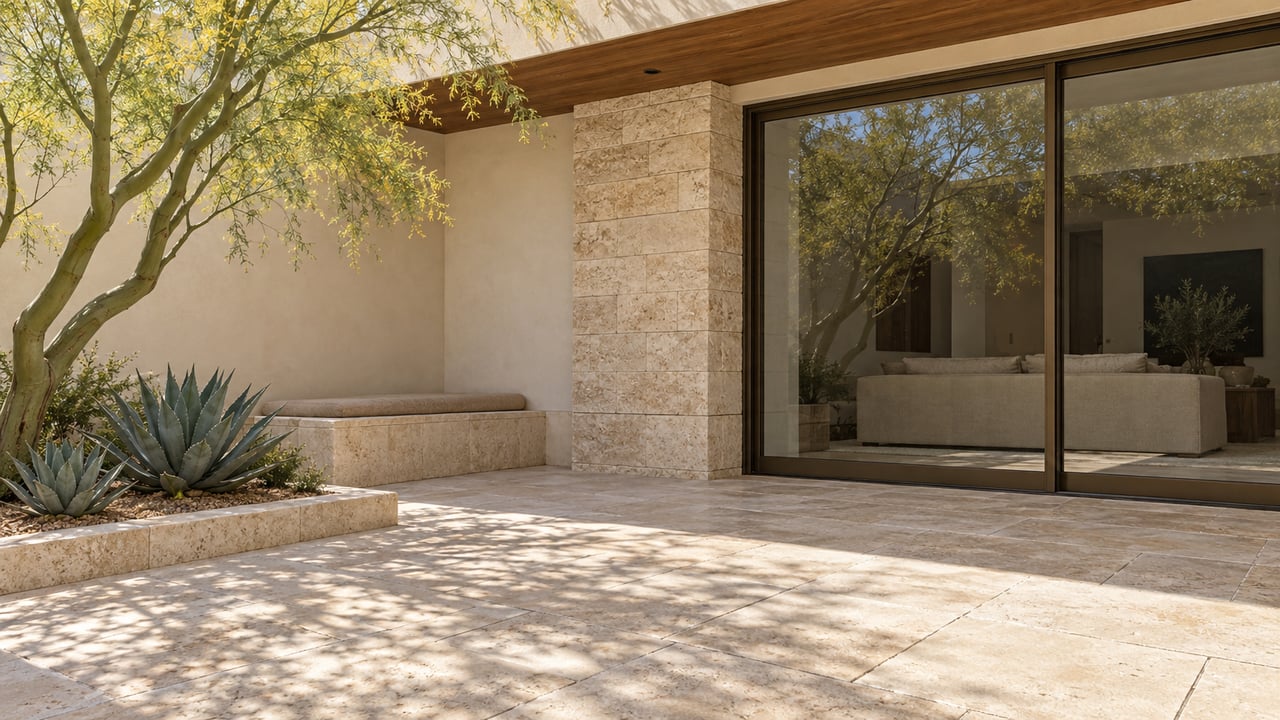
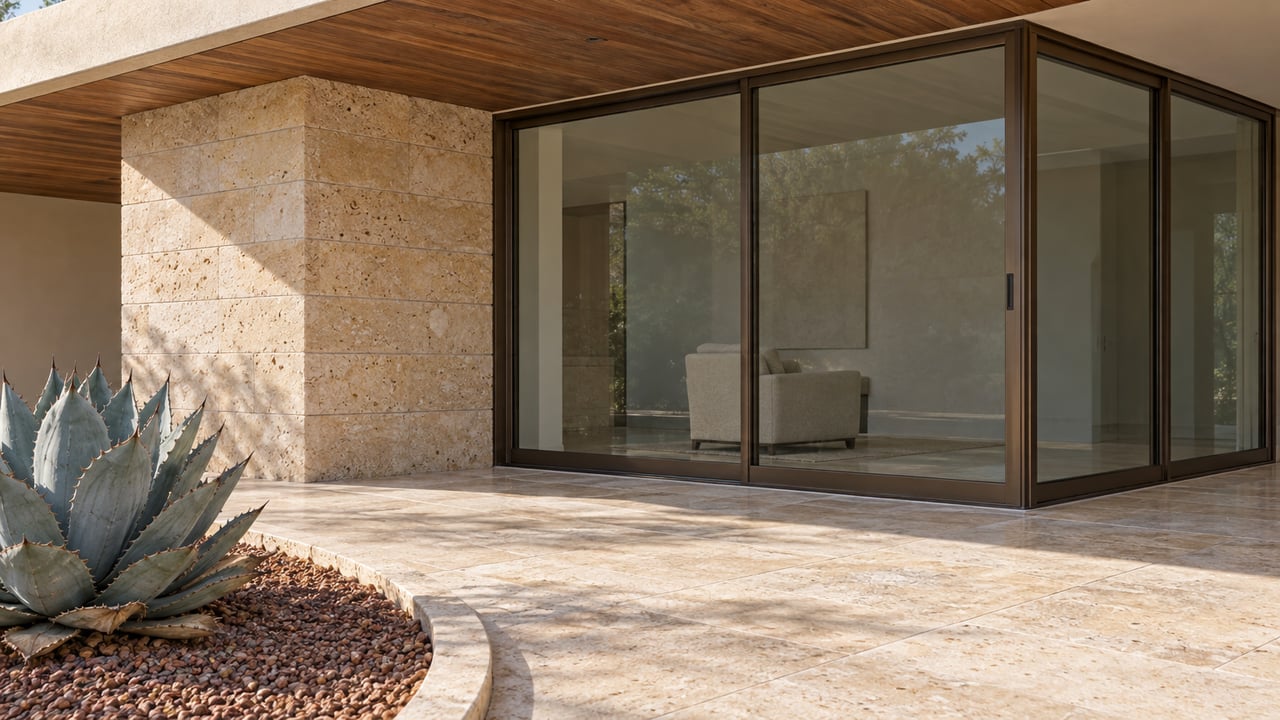
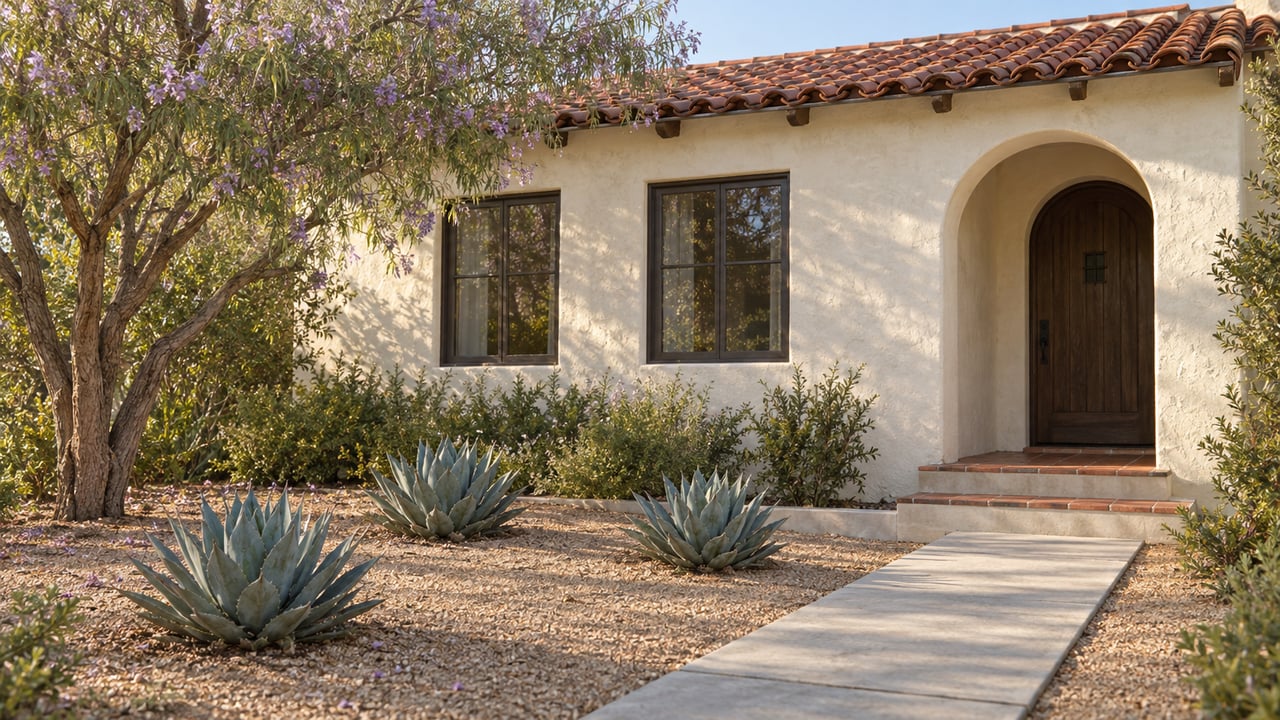
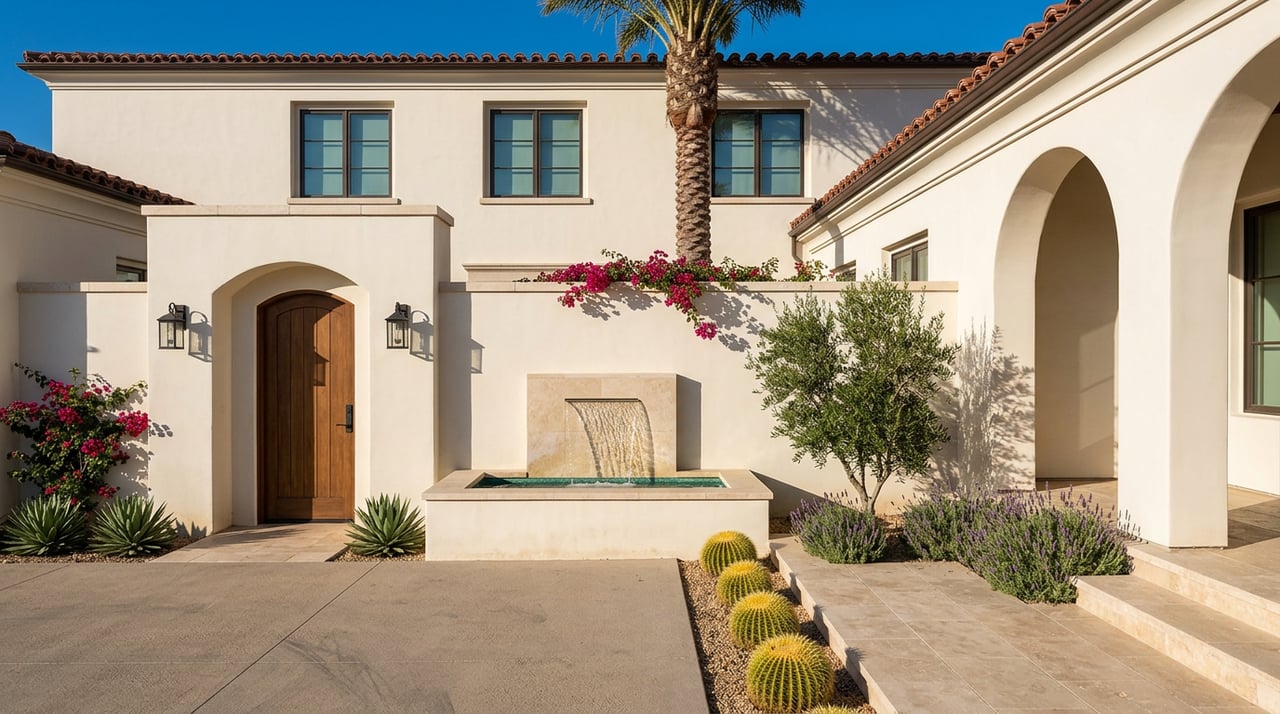
You will find a blend of property types near the resort. Early subdivisions lean Mediterranean and Spanish‑Mission in tone, while later infill adds mid‑century and modern styles. Luxury custom estates and gated communities sit alongside low‑rise and mid‑rise condos, many framed by mature shade trees and irrigated lawns. The neighborhood’s architectural mix and resort‑influenced palette are outlined in this Biltmore history overview from Historic Phoenix Districts.
One detail you will notice is the recurring use of patterned concrete inspired by the Biltmore Blocks. From fences to public features, that motif helps tie homes back to the resort’s signature look. It is a small element with a big role in the area’s identity.
Property types and amenities
Expect a practical range of lot types and living setups. There are single‑family lots that vary from modest footprints to estate scale, and several gated communities that offer community pools or guard service. Condo and garden‑style developments often highlight resort‑style amenities, on‑site fitness, and easy access to golf.
If you are considering a condo or gated home, review HOA documents for guest‑use rules and parking policies before you write an offer. Those details can affect how you use the property, especially if you plan to host visitors or split time between markets.
Daily convenience and access
Shopping, dining, and entertainment hubs
Just west of the resort, Biltmore Fashion Park serves as the area’s open‑air shopping and dining center, with national anchors, restaurants, and seasonal programming. It is the default spot for errands, lunches, and evening meetups. The center keeps an updated directory and event calendar on the Biltmore Fashion Park site.
Nearby, The Esplanade adds more evening dining options and a dine‑in theater. You will also find smaller neighborhood plazas sprinkled along Camelback Road and 24th Street. Local business updates and area programming, from Sip & Shop to seasonal pop‑ups, are highlighted by the Biltmore Area Partnership in its community newsletter.
The lineup keeps evolving. Recent openings and chef‑driven concepts, like the arrival of Ambrogio15 at the Fashion Park, show how the district continues to court high‑end, experience‑oriented dining. See current press updates on the restaurant’s official press page.
Walkability and commuting
The Biltmore neighborhood offers walkable pockets around the resort grounds and Biltmore Fashion Park. Many residential streets are more car‑oriented, so you will likely drive a few minutes for daily errands if you live outside those hubs. Even so, programmed events often create a lively pedestrian scene at predictable times.
For commuting, the Camelback corridor sits near key arterials with quick access to SR‑51 toward downtown Phoenix and to Sky Harbor. Visit the Arizona Biltmore history page for location context, and check local traffic data for real‑time drive estimates.
Biltmore vs. Scottsdale: style and feel
Both the Biltmore and Scottsdale deliver luxury, but the experience is different. The Biltmore area reads as an historic resort‑garden enclave, with lush lawns, mature shade, and that distinctive patterned concrete and copper palette. Scottsdale’s luxury pockets often emphasize desert‑modern architecture, mountain orientation, and larger desert‑set lots. For a clear architectural frame of reference, the SAH Archipedia overview and this Biltmore history resource help illustrate why the Biltmore’s identity feels unique.
If you love the idea of a resort at your doorstep, shaded morning walks, and a quick handoff from golf to dinner, the Biltmore may be a perfect fit. If you prioritize panoramic mountain views, ultra‑private desert lots, and a contemporary desert‑modern aesthetic, you may lean Scottsdale. Neither is better; they are simply different visions of Arizona living.
Is the Arizona Biltmore Estates right for you?
Consider the Biltmore if you want:
- Proximity to a landmark resort with restaurants, events, and a social hub.
- Golf within minutes of your door, plus club and dining upgrades in progress.
- A mix of home types, including condo lock‑and‑leave options and gated estates.
- Quick access to central Phoenix, downtown venues, and the airport.
If you are a part‑time resident or you split seasons, the condo and townhome options can deliver a low‑maintenance setup with resort amenities. If you live here full time, the everyday convenience of Biltmore Fashion Park, The Esplanade, and the resort itself makes daily life feel polished and easy.
Make your move with confidence
If the Biltmore’s blend of iconic design and effortless living speaks to you, let’s tailor a plan that matches your timeline and wish list. Whether you are buying, selling, or exploring a second home, you deserve concierge guidance and editorial‑grade marketing that brings your property’s story to life. Start the conversation with Karen Stroble for a private consultation.
FAQs
Did Frank Lloyd Wright design the Arizona Biltmore?
- Albert Chase McArthur is the architect of record, and Wright consulted briefly; his influence is visible, but authorship remains debated, as outlined by SAH Archipedia and the Frank Lloyd Wright Foundation.
What are Biltmore Blocks and why do they matter?
- They are sculpted precast concrete blocks with repeating geometric motifs cast on site for the resort; the pattern is a visual signature you will also see in nearby walls and features, per SAH Archipedia.
Where is the most walkable part of the Biltmore area?
- The strongest walkability is around the resort grounds and Biltmore Fashion Park, which lists dining, retail, and events on the center’s official site.
How does living near the Biltmore compare with Scottsdale luxury areas?
- The Biltmore emphasizes a resort‑garden feel with mature shade and Mediterranean or Wright‑influenced touches, while many Scottsdale areas lean desert‑modern with mountain‑oriented homes; see the architectural context in SAH Archipedia.
What golf options do Biltmore residents have nearby?
- The Arizona Biltmore Golf Club offers courses, a refreshed clubhouse, and dining, with recent hospitality updates noted on the club’s site, including the Adobe Bar & Grille opening.
What are the main shopping and dining hubs for daily life?
- Biltmore Fashion Park and The Esplanade serve as the primary retail and dining nodes, with seasonal events and openings featured by the Biltmore Fashion Park directory and the Biltmore Area Partnership newsletter.