Choosing a home inside Desert Mountain can feel like choosing between great and greater. Each village offers a different blend of views, access, and privacy, which is exciting and a bit overwhelming. You want a place that fits how you live today and how you plan to use the home over time. This guide gives you a clear framework to compare villages, match lifestyle priorities, and plan smart due diligence before you write an offer. Let’s dive in.
What Desert Mountain is
Desert Mountain is a private, master-planned luxury community in the high Sonoran Desert of north Scottsdale. It is organized into multiple villages that vary by topography, lot size, and proximity to club facilities. The community is known for several Jack Nicklaus–designed golf courses, multiple clubhouses, dining, fitness, spa, tennis and pickleball, pools, and miles of desert trails.
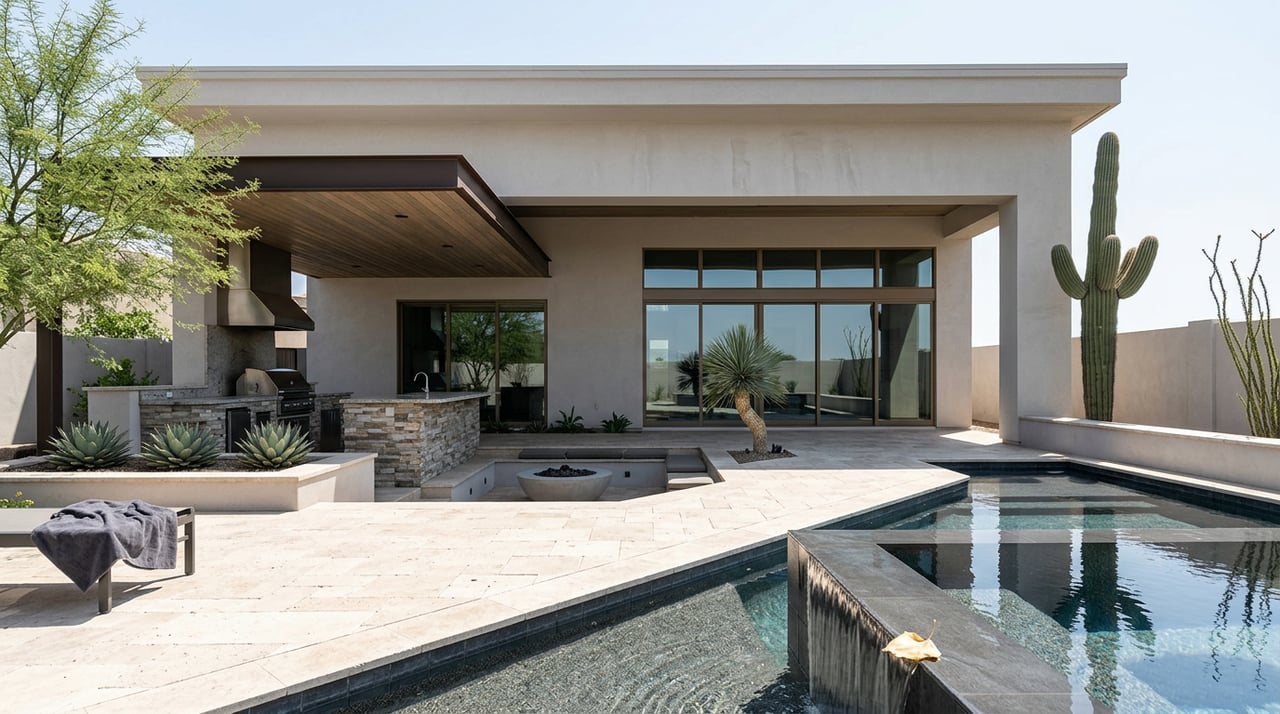
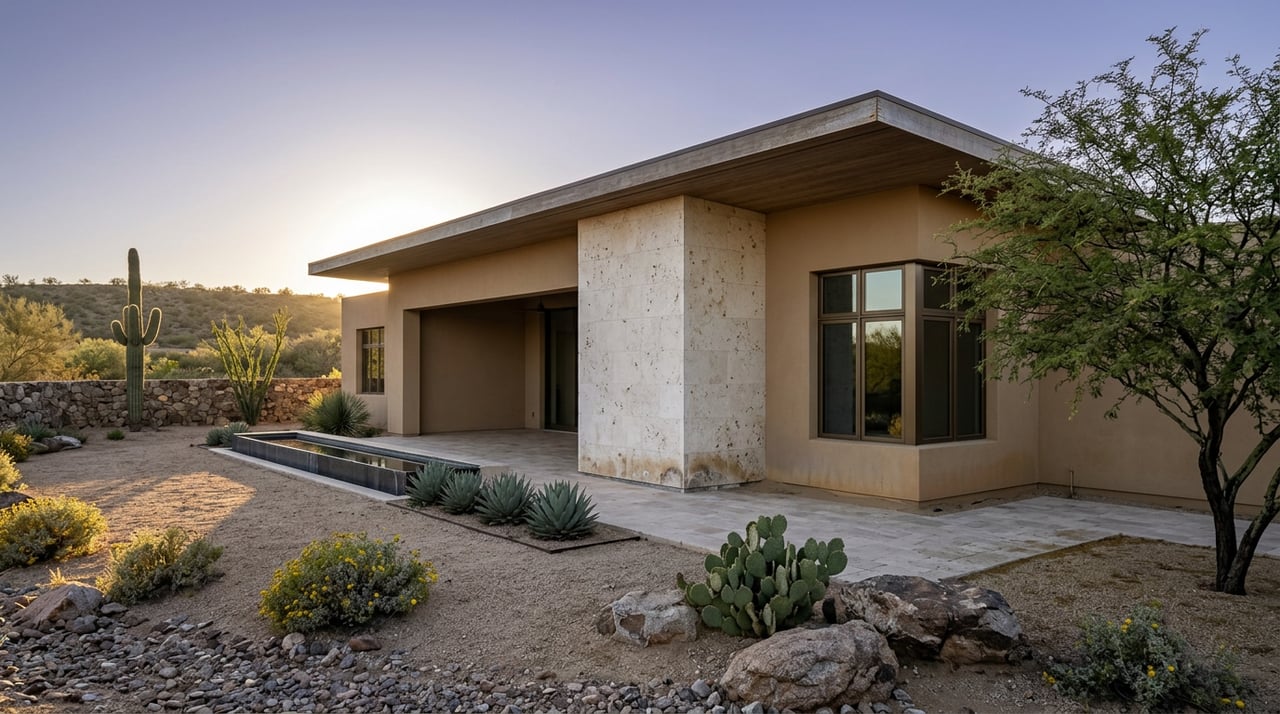
The terrain shapes day-to-day life. Ridgeline settings offer broad mountain and city-light views with cooler evenings, while canyon and wash areas feel more sheltered and private. Desert landscaping, water-wise yards, and natural open space are part of the look and the lifestyle.
How villages differ
Use these seven themes to compare any two villages side by side. Focus on what you can verify on site, in HOA documents, or through recent MLS data.
- Physical setting and views. Lot slope, elevation, aspect, and vegetation. Consider sunrise or sunset orientation, mountain ridges, and view corridors.
- Homes and architecture. Home types, size ranges, and styles such as Southwest contemporary or modern. Note original build eras and remodel activity.
- Price and activity. Typical price bands, days on market, and turnover frequency in the last 12 months. Use MLS village-level stats when available.
- Amenities and access. Distance to clubhouses, practice facilities, and trailheads. Check for any village-specific features like a pocket park or community pool.
- Membership implications. Whether properties are standalone or marketed with any club privileges. Confirm that membership is separate and subject to club approval unless stated otherwise.
- Privacy and security. Gate structure at the community and village level, plus any private drives. Understand traffic patterns near entries and main roads.
- HOA and governance. Master HOA plus any village sub-HOA, current fees, and what is covered such as roads, landscape, and security.
Match lifestyle to villages
Start with how you plan to use the home, then filter.
- If you want maximum views and privacy: focus on ridgelines and larger estate lots set back from main roads.
- If you want lock-and-leave ease: look for villas or smaller-lot enclaves with managed landscaping near a clubhouse.
- If daily golf access matters: prioritize villages near practice facilities and shorter drives to primary clubhouses, then verify membership pathways.
- If you plan to hike and bike: choose villages with internal trailheads or direct trail access.
- If value and resale speed matter: note villages with higher sales volume and diverse buyer demand over the last 12 months.
Build your shortlist
A simple plan helps you decide fast without second guessing.
Define must-haves. Rank five priorities such as views, golf access, yard size, privacy, and maintenance level. Keep the list tight.
Map proximity. Plot each target village relative to clubhouses, practice facilities, trailheads, and your everyday needs like groceries and medical care.
Tour by topography. See a ridgeline, a canyon, and a near-clubhouse option back-to-back. Note drive times and the feel of each setting.
Compare CC&Rs. Pull master and village HOA documents early. Flag rules on exterior changes, landscape water use, lighting, and rental restrictions.
Check membership details. Ask the club if the home conveys any interest, what categories exist, current initiation and annual dues, and whether there is a waitlist.
Verify recent comps. Review village-level MLS data for the last 12 months, especially price per square foot and days on market.
Membership and golf access
Golf access is typically tied to club membership. Some homes may be marketed with club privileges or transferable memberships, yet details vary by property and are subject to club approval. Always confirm directly with the membership office whether the sale includes any rights, what membership levels are available, current initiation and annual dues, and any waitlist status.
If golf is central to your lifestyle, weigh the daily convenience. Shorter drives to a clubhouse or practice facility can shape how often you play, meet friends, and use the fitness or dining venues.
HOA, privacy and rules
Expect a master HOA and, in many cases, a village sub-HOA. Fees and included services differ by village. Common inclusions can be private road maintenance, common-area landscaping, and gated security, but confirm for each address.
Review CC&Rs for rules that affect how you live and maintain your home. Common topics include exterior materials and colors, night lighting, landscape guidelines, fuel reduction in desert areas, and rental policies. Ask whether short-term rentals are prohibited or limited.
Due diligence checklist
Bring this list to every showing and keep the answers in one place.
- Confirm the village designation, HOA names, fee amounts, billing frequency, and covered services.
- Ask the club about membership categories, initiation and annual dues, approval process, and any waitlist.
- Identify elevation, lot slope, drainage patterns, and proximity to washes or ridgelines. Note any retaining walls and visible easements.
- Review recent MLS comps for the last 12 months: median sold price, price per square foot, days on market, and number of sales in the village.
- Check wildfire defensible-space requirements and HOA brush clearance rules. Understand owner responsibilities.
- Clarify inspection and contractor access procedures for gated areas, plus guest parking rules.
- Ask about recent or upcoming HOA capital projects or special assessments.
Market snapshot basics
When you compare villages, look at the same metrics over the same time period. A 12‑month window helps you smooth out seasonal swings.
- Price band and median sold price in the village.
- Price per square foot compared across similar homes.
- Days on market and the number of closed sales.
- List-to-sale price trends for well-prepared homes.
Villages with consistent turnover often offer stronger resale liquidity. Low-turnover enclaves may be prized for privacy, yet they can require more patience when you sell.
Village profile template
Use this template to organize notes for each village you tour. It keeps your comparisons apples to apples.
- Quick snapshot. One or two sentences about the setting and access.
- Physical setting and views. Elevation, slope, ridgeline or canyon, sunrise or sunset, and any natural open space buffers.
- Homes and architecture. Typical home types, size ranges, exterior styles, and build eras. Note visible remodel trends.
- Market snapshot. Approximate price band and recent activity using the last 12 months of MLS data.
- Club and golf proximity. Closest clubhouse and practice facilities, plus membership notes to verify.
- Who it fits. Match to priorities such as views, lock-and-leave living, or golf focus.
- Practical tips. One or two reminders such as CC&R nuances or site-specific items like drainage or retaining walls.
Common buyer questions
Here are straight, practical answers you can apply as you tour.
- Closest access to amenities. Some villages are adjacent to clubhouses or practice facilities, which reduces daily drive time. Verify exact distances during tours.
- Best views and privacy. Ridgeline settings often deliver broader views, while canyon and wash areas can feel more secluded. Visit at different times of day.
- Smallest lots and lowest upkeep. Villas and smaller-lot enclaves typically offer easier maintenance. Ask about any managed landscaping services.
- Newer or remodeled homes. Infill and recently updated homes exist across multiple villages. Confirm build years and remodel permits with your agent.
- Lower HOA fees. Fee levels and inclusions vary by village. Review current budgets and services to compare value, not just the line item.
- Rental flexibility. Luxury clubs often limit or prohibit short-term rentals. Confirm current rules in CC&Rs before you buy.
Plan your next step
Desert Mountain rewards clear priorities, good data, and on-the-ground touring. If you want a concierge approach to shortlisting villages, arranging back-to-back tours, and coordinating membership and HOA due diligence, connect with a local advisor who lives this every day. For personalized guidance and a curated path to your top-fit village, reach out to Karen Stroble to Request a Concierge Consultation.
FAQs
What is Desert Mountain in Scottsdale?
- A private, master-planned luxury community in the high Sonoran Desert with multiple villages, several Jack Nicklaus–designed golf courses, clubhouses, and outdoor amenities.
How do Desert Mountain villages differ?
- Villages vary by topography, lot size, home styles, proximity to club facilities, privacy, gate structure, and HOA fees and rules.
How does golf membership work in Desert Mountain?
- Golf access typically requires club membership, which is separate from the home purchase unless stated otherwise and subject to club approval and current fees.
What HOA structures should I expect in Desert Mountain?
- A master HOA plus, in many areas, a village sub-HOA with separate fees and rules covering services like private roads, common-area landscaping, and security.
Which villages are best for low-maintenance living?
- Look for villas or smaller-lot enclaves near a clubhouse and ask whether landscaping services are included in the HOA or available as add-ons.
How do I compare market value across villages?
- Use village-level MLS data from the last 12 months, focusing on median sold price, price per square foot, days on market, and sales volume.
Are short-term rentals allowed in Desert Mountain?
- Many luxury communities limit or prohibit short-term rentals, so confirm current CC&Rs and any village-specific rules before purchasing.